






Manchester United Parts Ways with Erik Ten Hag – Examining the Reasons Behind the Decision
Eric ten Hag's time as Manchester United's manager was a whirlwind that left fans with mixed feelings. Brought in with high hopes, Ten Hag was expected to revitalize a legendary club, steering it back to its former glory. However, a series of issues led to his unexpected departure, surprising fans and analysts alike. In this article, we’ll explore the five primary reasons behind Manchester United’s decision to part ways with Ten Hag and what this might mean for the future of the club.
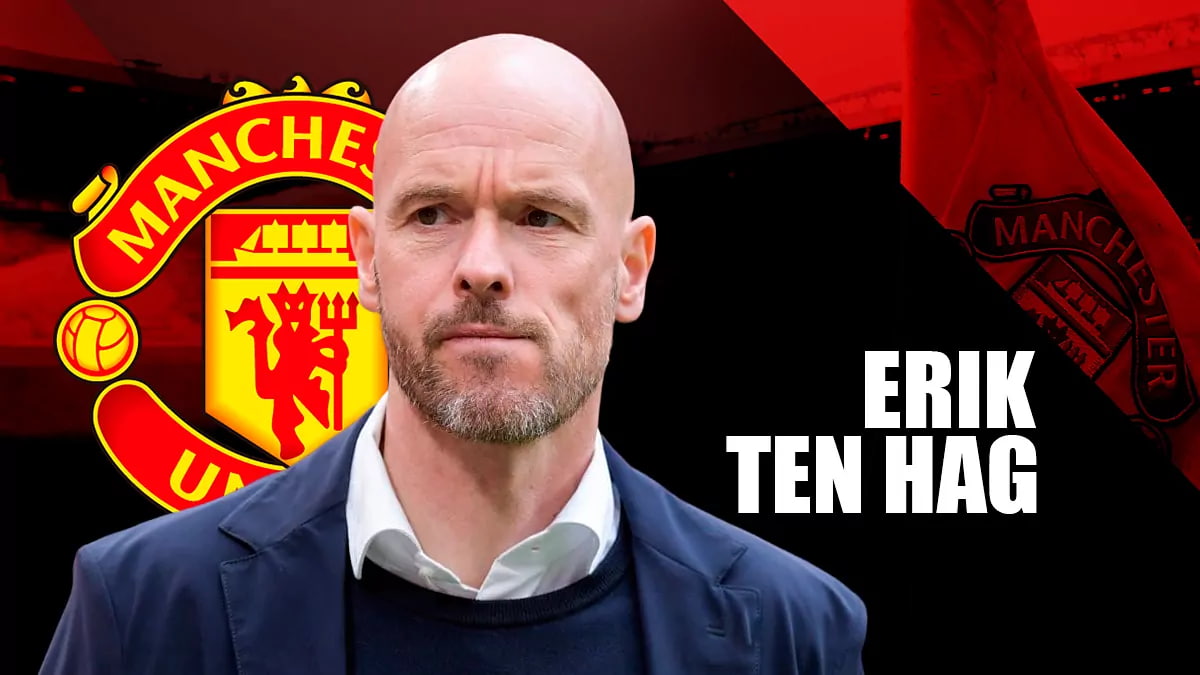
Inconsistent Team Performance
Manchester United has a proud tradition of success, but under Ten Hag, the team’s performance was a rollercoaster. From surprising wins to shocking losses, inconsistency plagued the squad throughout his tenure. These ups and downs made it hard for fans to believe in the team's direction and left the management questioning his ability to maintain control over the squad's form.
Manchester United Fires Erik Ten Hag After Poor ResultsTactical Missteps
A prominent aspect of any manager’s role is crafting effective tactics. Despite Ten Hag’s reputation for his tactical prowess, there were several moments where his decisions simply did not align with the needs of the team. He often made controversial substitutions or changes in player roles, which led to questionable results on the field.
Manchester United Fires Erik Ten Hag After Poor ResultsPoor Player Management
One of the most crucial aspects of managing a top-tier football team is maintaining a strong relationship with players, especially the key figures. Unfortunately, Ten Hag’s relationship with certain stars became strained, creating tension within the squad. Notable players reportedly disagreed with his methods, which affected overall team morale.
This friction not only disrupted the team's cohesion but also trickled down to the performance on the field. When players are not in sync with their manager’s vision, it impacts their dedication and ultimately the results. This issue weighed heavily in Manchester United’s decision-making process regarding his role.
Lack of Progress in Key Competitions
While fans hoped for a resurgence under Ten Hag, the club’s performance in crucial competitions fell short. The Premier League and European campaigns ended in disappointment, as Manchester United failed to secure the results necessary to satisfy their loyal supporters. These shortcomings put immense pressure on Ten Hag, as the expectation was to see clear progress and silverware.
Manchester United Fires Erik Ten Hag After Poor ResultsFailure to Achieve Expected Growth
When Ten Hag was hired, it was with the promise of significant growth. Unfortunately, by the end of his tenure, Manchester United’s performance statistics showed a downward trend in several critical areas, from scoring ratios to defensive resilience. Fans and analysts expected an upward trajectory, but what they witnessed was stagnation and, in some cases, regression.
With little to show in terms of improvement, Manchester United’s management found it difficult to justify continuing with Ten Hag at the helm. The club’s direction seemed unclear, and the growth expected under his leadership remained unrealized.
Reaction from Fans and Media
Supporters and media pundits alike were vocal about their dissatisfaction with Ten Hag’s performance. Social media was abuzz with criticism, with many fans expressing frustration over the team’s inconsistent displays. The constant pressure from media coverage amplified these frustrations and added to the weight on the management to consider a change.
Manchester United Fires Erik Ten Hag After Poor ResultsInternal Club Politics and Influence
Behind every high-profile managerial change often lies a complex web of club politics. Speculation about boardroom conflicts and a loss of internal support added another layer to Ten Hag’s dismissal. It's believed that key stakeholders may have grown weary of his leadership, leading to an erosion of trust and ultimately contributing to his exit.
Comparisons to Previous Managers
A comparison with previous Manchester United managers paints a clearer picture. Ten Hag’s tenure, though unique in its approach, struggled to match the achievements of some of his predecessors. The lack of trophies and limited improvement underscored a trend that management could no longer overlook, making his firing seem more inevitable.
What This Means for Manchester United’s Future
Manchester United Fires Erik Ten Hag After Poor Results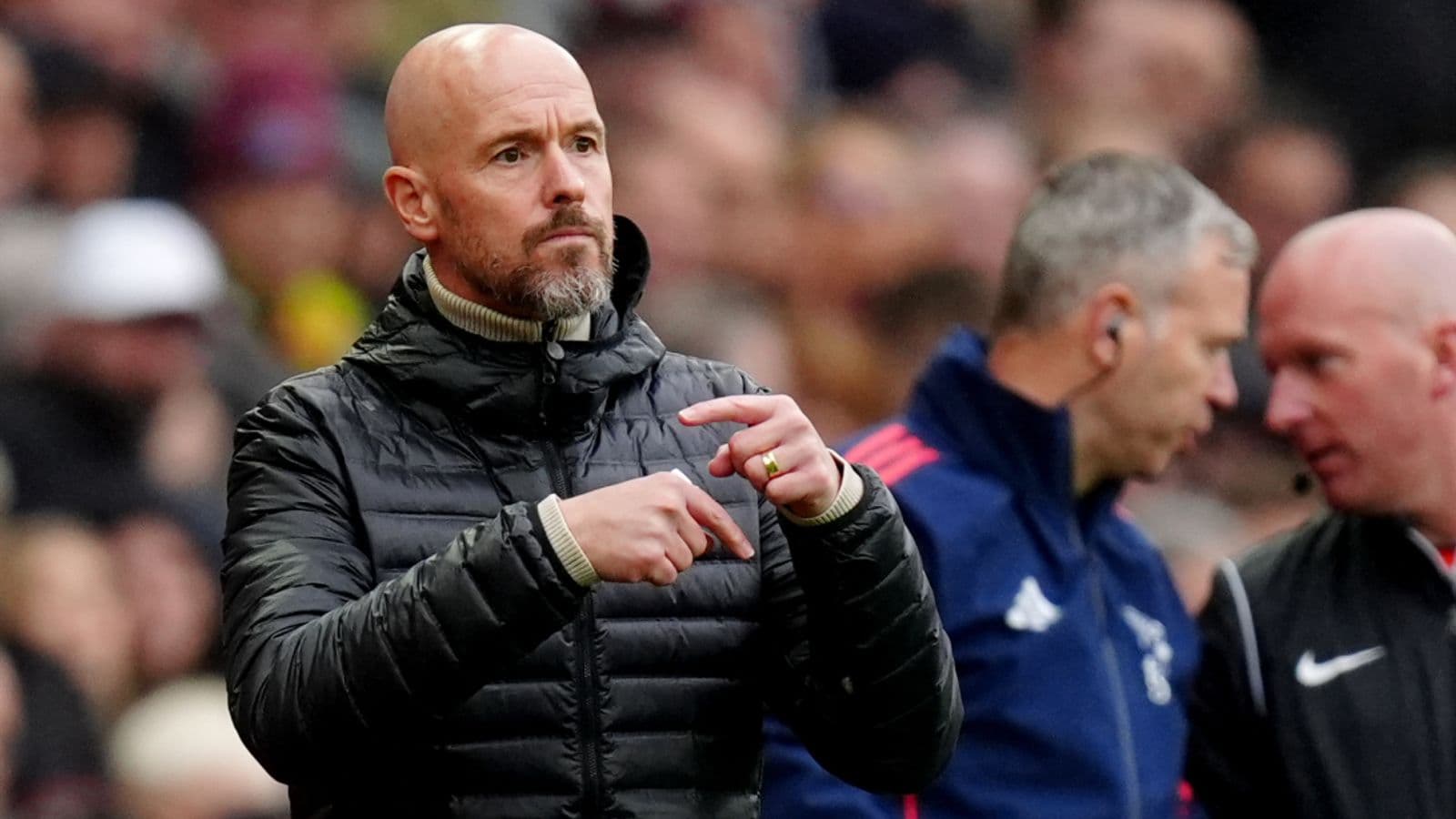
Conclusion
Eric ten Hag’s time at Manchester United had promising moments, but in the end, inconsistencies, tactical issues, and strained relationships with players led to his departure. Fans were left disappointed, and management saw little choice but to start fresh. Manchester United’s journey to reclaim glory continues, and the hope is that the next manager will bring the stability and success that the club so desperately seeks.
Similar articles

The top reasons people bet? Fun leads the way, with nearly 4 in 10 saying that’s their main reason for betting. A close second? The potential to make money, cited by 38%. Another third describe the adrenaline rush as the key draw, not the outcome, but the feeling.

Casinos Analyzer surveyed over 1,500 shoppers to understand the emotional and financial fallout of summer sales shopping, and why a good deal often comes with a hidden cost.

Paylines in slot machines can now range from 1 to 1024 paylines and more. The paytable slot machine will tell you how many paylines there are in the game you are playing.